By Harmony Realty | Updated June 2026
Selling your home is one of the biggest financial decisions you’ll make. And in a market as nuanced as Raleigh’s — where one neighborhood can behave completely differently from the one next to it, and where the difference between a well-executed sale and a poorly executed one can mean tens of thousands of dollars — the decisions you make before you list matter enormously.
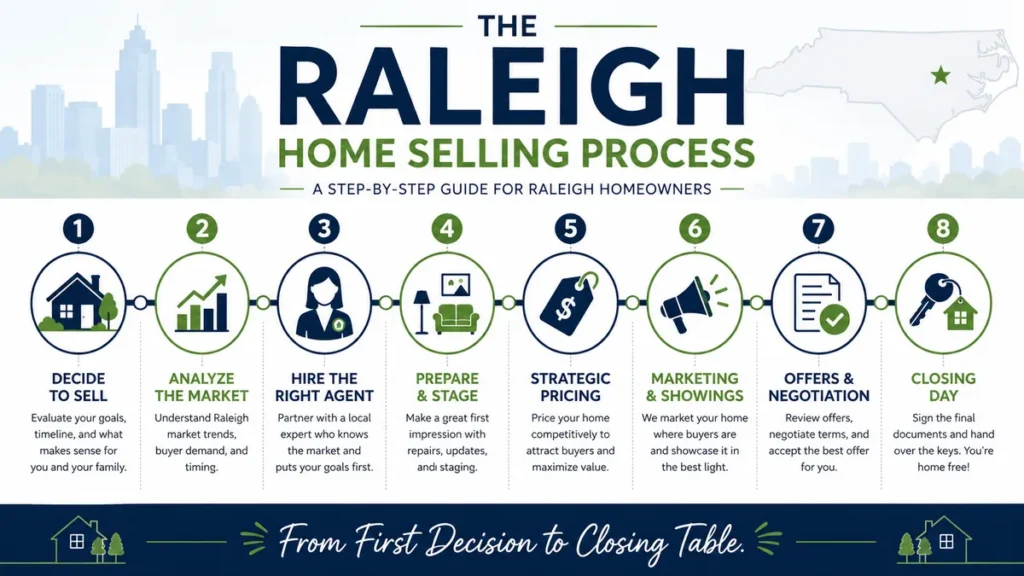
This guide walks you through everything you need to know: how to think about timing, how to prepare your home, how to choose the right agent, how pricing actually works, and what the selling process looks like from start to finish in North Carolina.
We’ve been helping Raleigh-area homeowners sell since 2015. This is the honest version — not a sales pitch, but the real picture.
Table of Contents
- Is Now the Right Time to Sell?
- Understanding the Raleigh Market
- Choosing the Right Listing Agent
- Preparing Your Home for Sale
- How Pricing Really Works
- Marketing: What Actually Moves the Needle
- Showings and Open Houses
- Receiving and Evaluating Offers
- Due Diligence and Inspection in NC
- The Closing Process in North Carolina
- What It Costs to Sell a Home in Raleigh
- Common Mistakes Raleigh Sellers Make
- Frequently Asked Questions
1. Is Now the Right Time to Sell?
There’s no universal answer to this question — and anyone who gives you one without knowing your situation isn’t giving you advice, they’re giving you a pitch.
When sellers ask this question, they’re usually asking something underneath it: will I make more money if I wait? It’s a reasonable thing to wonder. But it’s based on a flawed premise — that there’s a knowable future moment when the market will be meaningfully better.

Here’s the reality: nobody knows what the market will do. Maybe interest rates will drop and bring more buyers — but lower rates also mean more competition for your next home, and historically, they correlate with weaker stock market performance. Maybe the market will be busier next spring — but so will your life. Surgery, job changes, family demands — the circumstances that give you the time and energy to make a move don’t wait for the market either. Trying to time the real estate market is no different than gambling.
Personal factors that matter:
- Whether you have the time and bandwidth to prepare and execute a sale well.
- Whether you have enough equity to cover selling costs and fund your next move
- Your mortgage situation — including any prepayment penalties
- Whether your life circumstances support the transition right now
Market factors that matter:
- Current inventory levels in your specific price range and neighborhood
- Days on market trends — are homes moving quickly or sitting?
- The ratio of list price to sale price in your area
- Interest rates, which directly affect how many qualified buyers are in the market
In Raleigh’s 2026 market, we’ve seen a meaningful normalization from the frenzy of 2021–2022. That doesn’t mean it’s a bad time to sell — it means the strategy and preparation matter more than they did when everything sold regardless of how it was handled.
The single biggest factor in how your sale goes isn’t whether you list in March or October — it’s whether your home is properly prepared and strategically launched when you do list. A home that has been thoughtfully decluttered, cleaned, touched up, and presented well will almost always outperform a home that rushed to market in a “hot” moment without preparation. The condition and presentation of your home is within your control. The market is not.
Make the best decision you can with the information you have today. If your situation is ready and your home can be properly prepared, that’s the right time to sell.
→ Schedule a free discovery call to talk through your specific situation
2. Understanding the Raleigh Market
The Raleigh metro — which includes Cary, Apex, Wake Forest, Holly Springs, Fuquay-Varina, Morrisville, and surrounding areas — is one of the strongest long-term real estate markets in the country. Population growth, a diversified economy, and strong job creation (particularly in tech, life sciences, and research) have kept demand healthy even as national markets have cooled.
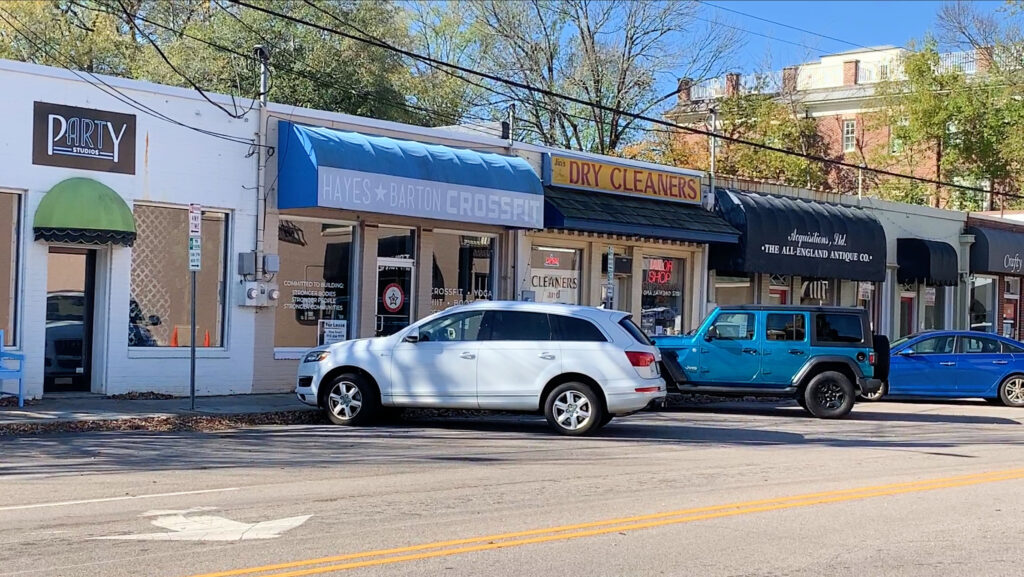
But “Raleigh” isn’t one market. It’s dozens of micro-markets, and they behave differently.
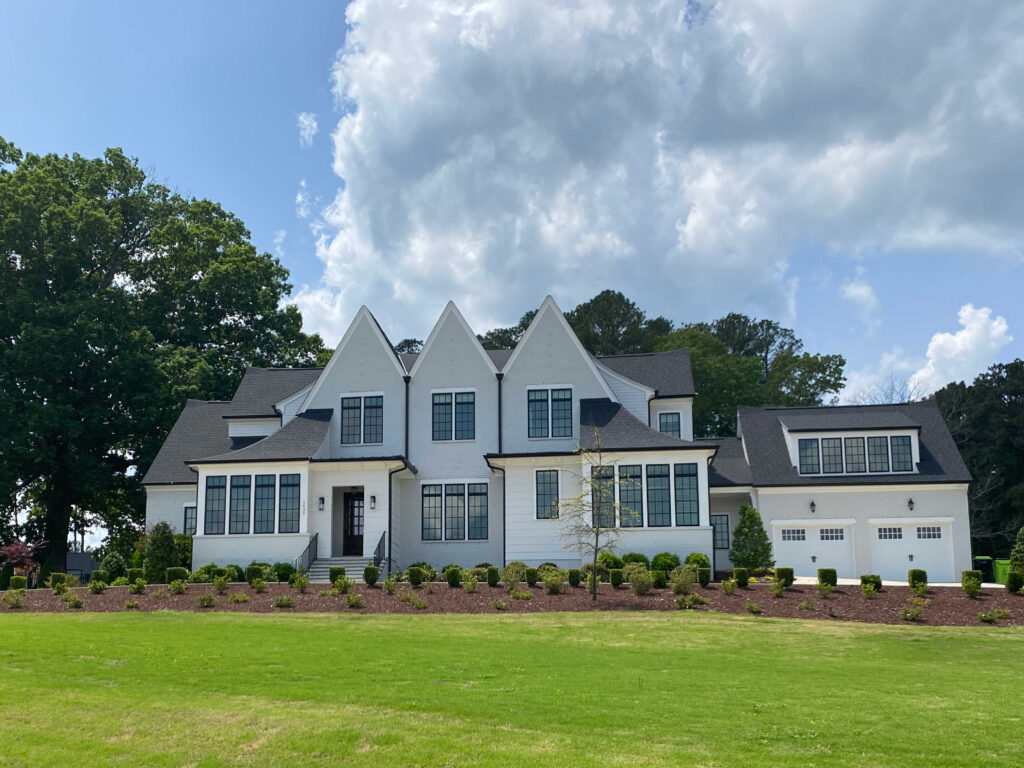
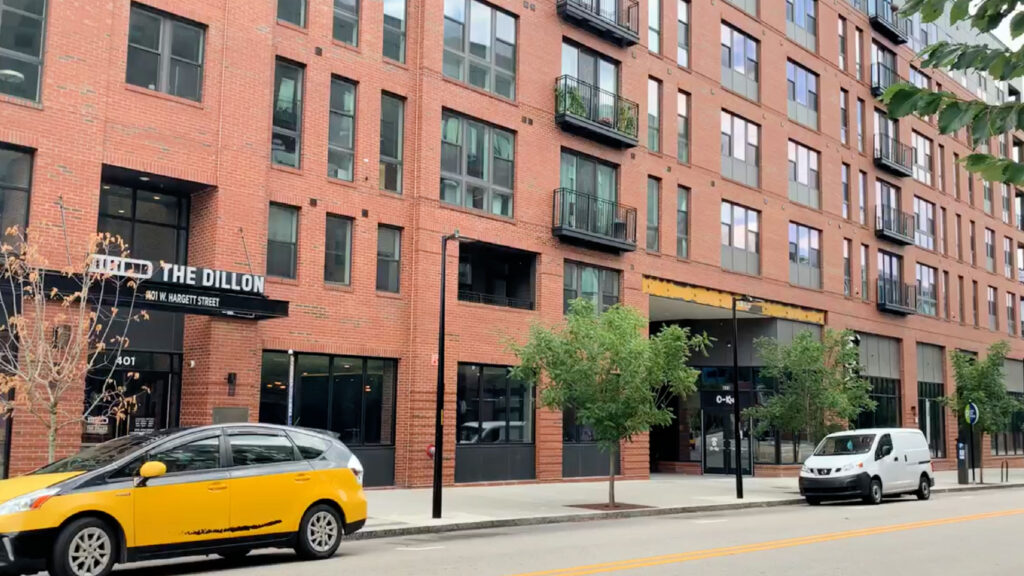
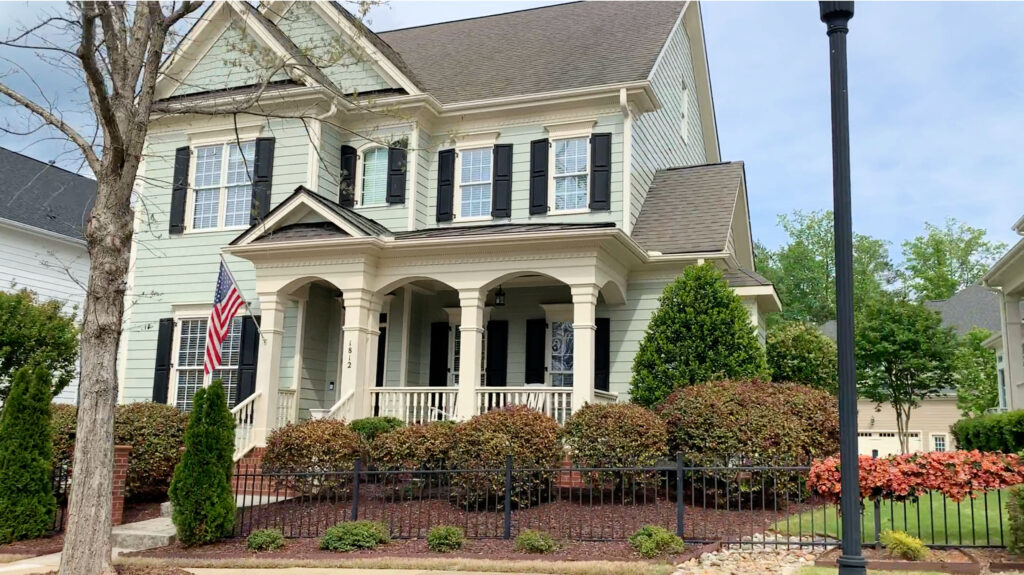
What varies by neighborhood and price range:
- Days on market vary widely — and not always in the ways you’d expect. In some areas, homes over $1M are moving in days while entry-level inventory sits. In others it’s the reverse. There’s no universal rule; it comes down to the specific neighborhood, the current supply at that price point, and how well the home is positioned.
- Competition: Some areas consistently see multiple offers; others almost never do.
- Buyer behavior: Move-up buyers behave differently than first-time buyers. Downsizers have different priorities. Relocation buyers (a significant portion of Raleigh’s market) often move faster and with fewer contingencies.
What this means for you as a seller:
Your strategy should be built around your specific home in your specific price range in your specific neighborhood — not around what you read in a national headline or heard at a dinner party.
The agents who serve you best are the ones who can show you exactly what’s happening in your slice of the market — not the ones who give you a generic ‘it’s a great time to buy or sell!’ answer. And when a home isn’t selling, the right response is never ‘the market is slow.’ That’s an excuse, not a strategy. A good listing agent responds to a stalled listing with detailed analysis and clear next steps — every time.
3. Choosing the Right Listing Agent
This is the most consequential decision in the selling process, and most sellers don’t give it enough attention.
The agent you choose determines your pricing strategy, your marketing quality, your negotiating position, and your experience throughout the entire transaction. The difference between an average agent and a skilled one isn’t marginal — it can easily be the difference of $20,000 or more on a $500,000 home.
What to look for
Local expertise, specifically: Not just “Triangle area” expertise — genuine knowledge of your neighborhood, your price range, and your buyer pool. An agent who primarily sells in North Raleigh may not be the best fit for a home in Fuquay-Varina.
A clear, articulated strategy: Before you sign anything, your agent should be able to tell you exactly how they plan to price your home, how they’ll market it, and what their showing process looks like. If the answer is “we’ll list it on the MLS and see what happens,” keep looking.
Communication style that matches yours: Selling a home is stressful. You want an agent who keeps you informed, returns calls promptly, and doesn’t leave you wondering what’s happening.
Honest counsel, not just enthusiasm: A good agent will tell you things you might not want to hear — about pricing, about condition, about the market. Be wary of agents who tell you exactly what you want to hear to win the listing.
Proven results: Ask for recent sales data — not just volume, but days on market, list price to sale price ratios, and whether those results were achieved in comparable market conditions.
Questions to ask before you hire
- What’s your strategy for generating buyer competition around my listing?
- How do you determine the right list price?
- What does your marketing plan include beyond the MLS?
- How many listings are you currently managing, and how will you prioritize mine?
- What happens if my home doesn’t sell in the first 30 days?
- Can you walk me through a recent transaction that was challenging, and how you handled it?
The agent interview is a two-way conversation
A skilled agent isn’t just trying to win your listing — they’re also evaluating whether your home and situation are a good fit for their approach. If an agent agrees with everything you say and promises you the moon, that’s not enthusiasm. That’s a warning sign.
At Harmony Realty, we believe in telling sellers what they need to hear, not just what they want to hear. That’s not always comfortable — but it produces better outcomes.
4. Preparing Your Home for Sale
How you prepare your home has a direct impact on both the speed of the sale and the offers you receive. The goal isn’t perfection — it’s removing the friction that causes buyers to hesitate or discount their offers.

Start with a clean slate
Before anything else: declutter aggressively. Buyers need to be able to imagine themselves in your home, and that’s nearly impossible when it’s full of your life. Rent a storage unit if needed. Clear counters, closets, and garage spaces. You’re not erasing yourself — you’re creating a canvas.
Address deferred maintenance
Walk through your home with the eye of a buyer. Make a list of anything that’s broken, worn, or obviously in need of attention. Leaky faucets, sticking doors, cracked grout, broken fixtures — these are inexpensive to fix but disproportionately expensive to leave in place. Buyers see them as evidence of larger neglect, and inspectors will flag them.
Deep clean everything
This sounds obvious, but sellers routinely underestimate how thoroughly a home needs to be cleaned before listing. Professional cleaning is worth the investment. Pay particular attention to kitchens, bathrooms, windows, and light fixtures.
Paint strategically
Fresh paint is one of the highest-ROI preparations you can make — but color choice matters. Neutral doesn’t mean boring; it means broadly appealing. If you have strong or dated colors anywhere in the home, this is usually worth addressing.
Curb appeal is your first impression
Buyers form an opinion before they walk through the door. Fresh mulch, trimmed shrubs, a clean front door, and working exterior lights go a long way. This doesn’t require a landscape overhaul — just attention.
Think like a buyer, not a homeowner
The hardest part of preparing your home for sale is emotional detachment. You’ve lived here. You know why the quirks are actually fine. Buyers don’t. The best preparation comes from honestly asking: what would a buyer think if they saw this for the first time?
What about major renovations?
This is one of the most common questions sellers ask — and one of the most misunderstood. The short answer is: major renovations rarely pay for themselves at sale, and the wrong renovations can actually hurt you by making your home appeal to a narrower pool of buyers.
The better question isn’t “what should I renovate?” but “what’s preventing buyers from saying yes to this home?” Sometimes that’s paint. Sometimes it’s staging. Sometimes it genuinely is a kitchen — but often it’s not.
We have honest conversations with every seller about this, and our answer is always based on the specific home and market, not a generic rule.
Free Download
Want the Full Room-by-Room Version of This?
Our Staging Playbook covers every space in the house — kitchen, bedrooms, bathrooms, closets — with the exact checklists we use with our own sellers.
Get It Free →5. How Pricing Really Works
Pricing is the most important decision in the selling process, and the most misunderstood.
The myth of “we can always reduce”
Many sellers price high with the intention of reducing later if needed. This strategy almost always backfires. Here’s why:
The first days a home is on the market are its most powerful. Buyers who have been actively searching notice new listings immediately. If your price isn’t compelling, those buyers move on — and you don’t get a second chance to make a first impression. By the time you reduce, the urgency is gone and the stigma of “sitting” has set in.
What your home is “worth” vs. what the market will pay
Sellers often have a number in mind based on what they paid, what they’ve invested, or what their neighbor sold for. None of these are reliable indicators of current market value.
Market value is determined by what a motivated, informed buyer will pay for your home in current conditions, compared to the alternatives available to them. The traditional answer is careful analysis of recent comparable sales — and while that’s a useful starting point, past sales can only tell you so much. What someone paid for a neighboring home six months ago, under different market conditions, with condition factors you can’t fully assess from MLS photos, is an imperfect guide to what a motivated buyer will pay for your home today. Comps inform the conversation — but the market itself is the most honest appraiser. The right preparation and the right launch can reveal a ceiling that no spreadsheet would have predicted.
The case for strategic pricing
In many situations, pricing at or slightly below market value generates more buyer interest, more showings, and — importantly — more competition. When multiple buyers compete for the same home, the market itself discovers the ceiling of your home’s value. This often produces a better outcome than pricing high and negotiating down with a single buyer who has all the leverage.
What a good CMA looks like
A Comparative Market Analysis (CMA) should walk you through:
- Recent sales of comparable homes (ideally within 90 days, within a mile radius, in similar condition)
- Active competition — what your home will be competing against
- Pending sales — the leading indicator of where the market is heading
- Price-per-square-foot analysis with adjustments for meaningful differences
- Days on market at different price points
If an agent hands you a CMA with three comparable sales and a recommended price with no explanation, ask more questions.
6. Marketing: What Actually Moves the Needle
Most agents treat marketing as a checklist: MLS, Zillow, Realtor.com, maybe a social post or two. That’s table stakes, not strategy.
What actually drives buyer interest — and ultimately competition — is how your home is presented, to whom, and at what moment.
Photography and visual presentation
This is non-negotiable. Buyers form their first impression online, and poor photography can disqualify your home before a single showing happens. Professional photography from high quality photographers — and in many cases, video walkthroughs and 3D tours — is a baseline expectation, not a premium add-on.
Staging, even light staging, dramatically improves how photos look and how buyers feel when they walk in.
Timing the launch
When your listing hits the market matters — and so does what happens in the days immediately after. A strategic launch isn’t just about going live on the MLS; it’s about controlling the showing schedule so that buyer energy builds rather than trickles in. A home that has accumulated saves and views before the first showing creates a very different atmosphere than one buyers discover with no context.
Pre-marketing and anticipation
Generating buyer awareness before a home is officially listed is one of the most powerful tools available — and most agents don’t use it. When buyers know a home is coming, they arrive on day one with energy rather than skepticism.
The showing experience
How your home shows matters as much as how it looks in photos. The smell, the temperature, the light — these are all within your control. Buyers who feel good inside a home pay more than buyers who feel indifferent.
Beyond the MLS
The MLS gets your home in front of agents and their buyers. But a full marketing strategy also considers:
- Email marketing to active buyer lists
- Social media, targeted to buyers in relevant demographics and locations
- Networking with relocation specialists who represent corporate transferees
- Relationships with buyer agents who have clients actively looking in your price range
At Harmony Realty, our Property Launch Method is built around the idea that marketing isn’t passive — it’s engineered. We build anticipation, concentrate buyer energy, and create the conditions for competition. The result is a different selling experience than most Raleigh sellers have had before.
7. Showings and Open Houses
The traditional approach — and its problems
Most listings use a lockbox-and-call approach: buyers’ agents schedule showings at their convenience, one at a time, over days or weeks. The seller has little control and little visibility into how the process is unfolding.
This approach creates a gradual, low-energy buyer experience. Buyers who tour an empty house alone with their agent, with no sense of competition, tend to focus on flaws and negotiate downward. Also, their agent has no vested interest in selling YOUR home over another home.

A more strategic approach
Concentrating showings into a defined window — a single open house weekend, for example — creates very different dynamics. Buyers who see other buyers touring a home feel urgency. Buyers who know an offer deadline is coming don’t have the luxury of slow deliberation.
This is the core insight behind our Property Launch Method: controlling the timeline and concentrating buyer activity creates competition where the traditional approach creates negotiation.
Preparing for showings
Practically speaking, your home should be show-ready during the active listing period. The good news is that a well-structured listing process concentrates showings into defined windows rather than stringing them out unpredictably over weeks — which is far less disruptive to your daily life than the traditional lockbox-and-call approach.
What to expect during showings
You won’t be present for most showings — and that’s appropriate. Buyers need to be able to talk openly about what they’re seeing, and a seller’s presence makes that impossible. Your agent should provide you with regular updates on showing volume and buyer feedback.
8. Receiving and Evaluating Offers
When offers come in, the instinct is to focus on the price. Price is important — but it’s not the only number that matters.

Key offer terms to evaluate
Due diligence fee: In North Carolina, buyers pay a non-refundable due diligence fee at contract signing. This is real money in your pocket regardless of what happens next. A higher due diligence fee signals a buyer that is less likely to terminate the contract.
Earnest money deposit: Additional funds held in escrow. These are refundable under certain conditions but signal the buyer’s seriousness.
Due diligence period: The length of time the buyer has to inspect the home and back out for any reason. Shorter is better for sellers.
Financing contingency: Is the buyer financing, and under what terms? A cash offer eliminates financing risk. A buyer with 20% down is a different risk profile than one with 3% down.
Closing date: Does it align with your needs? A flexible or seller-preferred closing date has real value.
Multiple offers
When multiple offers come in simultaneously, you typically have three options: accept one, counter one, or issue a “highest and best” request to all buyers. Your agent should walk you through the tradeoffs of each approach based on the specific offers in front of you.
In a competitive situation, the goal isn’t just to pick the highest number — it’s to identify the offer most likely to actually close, on terms that work for you.
Counteroffers
Negotiation is normal and expected. A buyer who submits a below-ask offer isn’t necessarily a bad buyer — they’re doing what buyers do. Your agent’s job is to negotiate firmly on your behalf while keeping the deal alive if it’s worth keeping.
9. Due Diligence and Inspection in NC
North Carolina uses a unique contract structure that sellers need to understand before they list.
How due diligence works in NC
Once you accept an offer, the buyer enters a “due diligence period” — typically 2–3 weeks for most residential transactions. During this period, the buyer can conduct inspections, review HOA documents, do their own research, and ultimately back out for any reason whatsoever, with no obligation to explain why. If they back out, they lose only their due diligence fee (which you keep).
This structure gives buyers significant flexibility — but it also means the due diligence fee is a meaningful indicator of the offer’s seriousness.
What inspectors look at
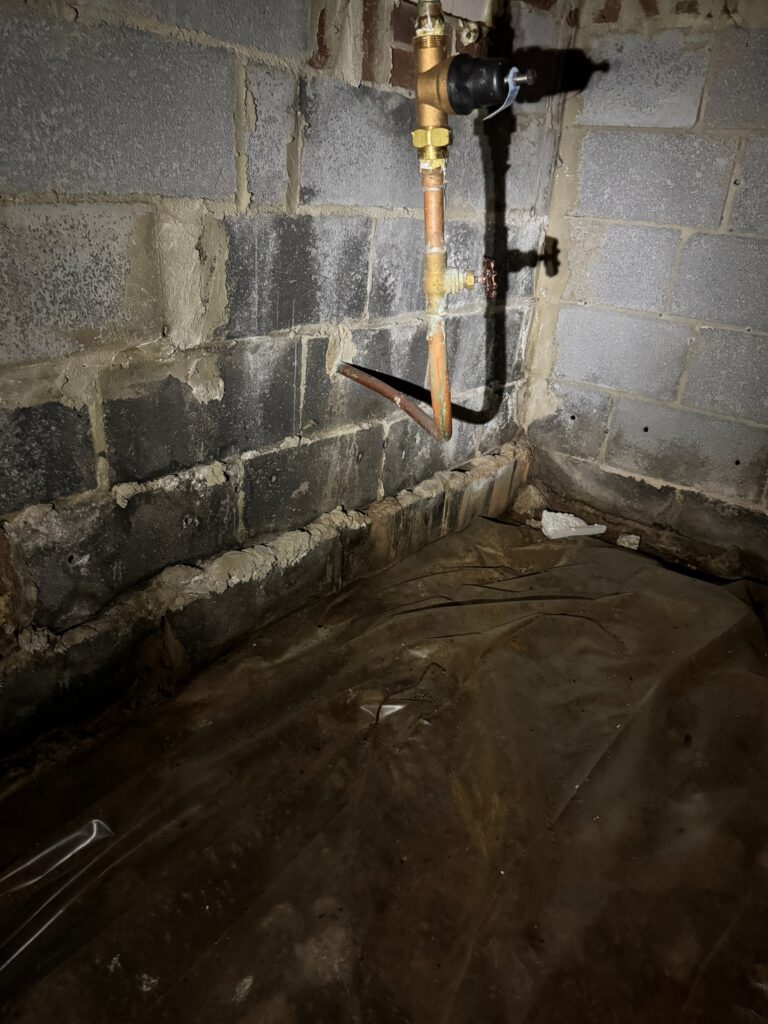
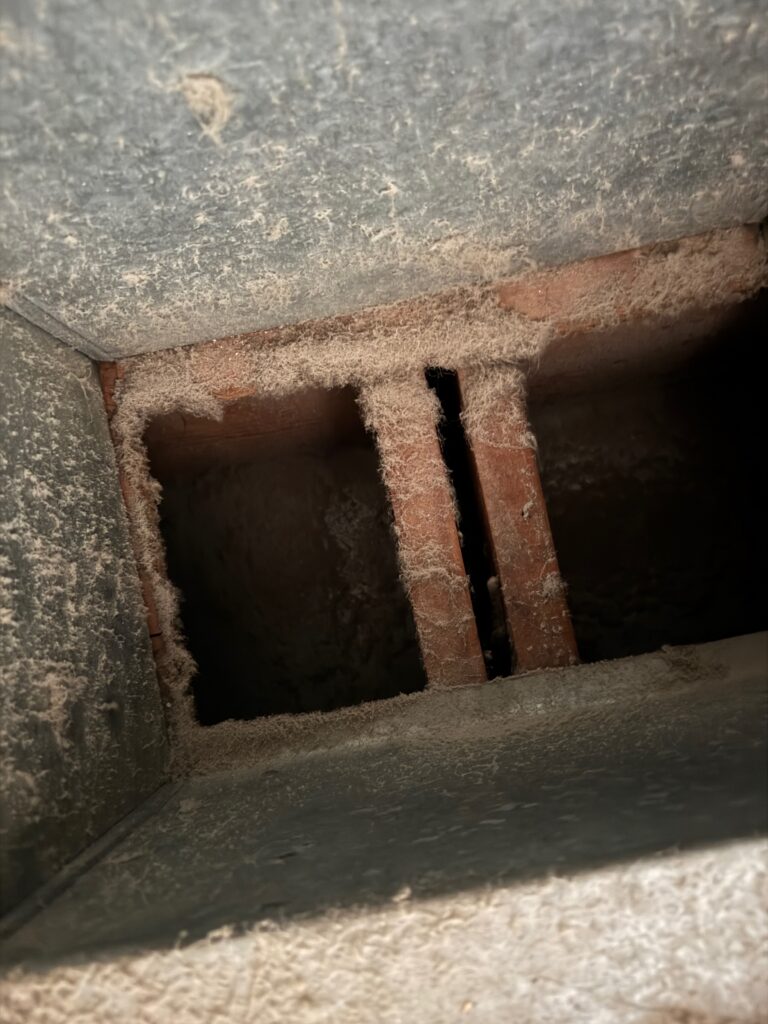
A general home inspection covers the structure, roof, electrical, plumbing, HVAC, and visible interior and exterior components. Buyers may also order separate inspections for radon, pests, HVAC systems, or chimneys.
Repair requests
After inspection, buyers typically submit a repair request. You are not obligated to fulfill it — but refusing entirely can cause the buyer to walk away. The negotiation here is about finding a resolution both parties can accept: fixing certain items, offering a closing cost credit, or adjusting the price.
Your agent’s judgment and negotiating skill are critical during this phase.
What sellers are required to disclose in NC
North Carolina law requires sellers to disclose material defects that are known to them. This includes things like prior water intrusion, structural issues, known problems with major systems, and HOA matters. Your agent will walk you through the Residential Property Disclosure Statement.
The general principle: disclose what you know. Trying to hide material defects creates legal liability that far outweighs any benefit.
10. The Closing Process in North Carolina
What happens between contract and closing
After due diligence ends, the transaction moves toward closing. During this period:
- The buyer’s lender orders a formal appraisal
- Title is searched and title insurance is ordered
- HOA documents are obtained and reviewed (if applicable)
- Final walk-through is scheduled (typically 24 hours before closing)
- Closing documents are prepared by the attorney

In North Carolina, closings are conducted by attorneys — not title companies, as in some other states. The closing attorney ensures the legal transfer of the property is handled correctly for all parties.
The final walk-through
The buyer’s final walk-through is their opportunity to confirm the home is in the agreed-upon condition. This is not a second inspection — it’s a verification. Major surprises at this stage can delay or complicate closing.
Closing day
On closing day, you’ll sign documents transferring ownership of the property. In many cases, sellers sign in advance (“pre-signing”) and don’t need to attend the actual closing table. Your net proceeds will be wired to you, typically the same day or the next business day.
11. What It Costs to Sell a Home in Raleigh
Sellers often underestimate the cost of selling. Here’s a realistic picture.

Agent commission
Commission is negotiable, and structures have changed in recent years following the NAR settlement. Traditionally, total commission was 5–6% split between listing and buyer’s agent. Today, buyers may negotiate their agent’s compensation directly, and arrangements vary. Your listing agent should be transparent about exactly what you’re paying and what it covers.
Closing costs
Sellers typically pay:
- Attorney fees (for your portion of the closing)
- Prorated property taxes
- HOA prorations and transfer fees (if applicable)
- Any agreed-upon buyer closing cost assistance
- Recording fees
Seller closing costs (excluding commission) typically run 1–2% of the sale price.
Pre-sale preparation costs
Paint, cleaning, minor repairs, staging — these vary widely depending on your home’s condition. Budget realistically, and prioritize items most likely to affect buyer perception and offer strength.
Carrying costs
If your home takes longer to sell than expected, you’ll continue paying mortgage, taxes, insurance, and utilities. This is one of the most underappreciated costs of an overpriced listing or poor marketing strategy.
Net proceeds worksheet
Before you list, ask your agent for a net proceeds estimate — a detailed breakdown of what you can expect to walk away with after all costs are accounted for. A good agent will walk you through this before you commit to anything.
12. Common Mistakes Raleigh Sellers Make
After years of working with sellers in this market, certain patterns come up again and again.

Overpricing and then chasing the market down. The most common and costly mistake. A home that sits accumulates stigma. Buyers assume something is wrong. Price reductions help, but they never fully recover the momentum of a well-priced launch.
Underinvesting in presentation. The marginal cost and time of a thorough declutter and professional cleaning, fresh paint, and professional photography is small relative to the impact on buyer perception. Sellers who skip these steps leave money on the table.
Choosing an agent based on commission rate. A 0.5% difference in commission is nothing compared to the difference a skilled agent makes in pricing, negotiation, and marketing. Optimize for outcome, not fee.
Letting emotion drive decisions. Buyers don’t know what you paid for the house. They don’t know how much you love it. They’re evaluating it against everything else available to them at that price point. The sellers who do best are the ones who can step back from personal attachment and evaluate their home as an asset.
Making major decisions without data. Should you renovate before listing? Do you accept this offer? Should you wait for the spring market? These questions all have data-driven answers — but only if you’re working with an agent who’s doing that analysis with you.
Not understanding North Carolina’s contract structure. The due diligence system catches many sellers off guard, particularly those who haven’t sold here before. Understanding it before you list puts you in a much stronger position.
13. Frequently Asked Questions
How long will it take to sell my home in Raleigh? It depends significantly on price range, neighborhood, and condition. In 2026, 50% of homes in the Raleigh metro are going under contract in less than 10 days. Buyers are eager for high quality homes that don’t have deferred maintenance or need updates — homes that are priced and presented well are selling quickly. That said, demand varies considerably by price point and location, and a good listing agent should develop a strategy based on your specific home and market.
Do I need to be home for showings? No — and in most cases, you shouldn’t be. Buyers are more comfortable exploring freely when sellers aren’t present.
What if the appraisal comes in below the sale price? If the appraisal comes in low, you generally have three options: renegotiate with the buyer, challenge the appraisal, or ask the buyer to make up the gap in cash. Which path makes sense depends largely on how competitive your sale was — a buyer who competed hard for your home is in a different position than one who had no competition.
Can I sell my home while still living in it? Yes, and most sellers do. The key is keeping the home show-ready and being responsive to scheduling requests. It’s inconvenient, but temporary. If showing your home feels inconvenient, our Property Launch Method might be a good fit for you. It minimizes showings while still exposing your home to the largest possible buyer pool.
What if I need to buy a home at the same time I’m selling? This is one of the most common and most stressful real estate situations. Options include negotiating a rent-back period after closing, making a contingent offer on your next home, or — for buyers with the financial strength — purchasing before selling. Your agent should help you think through your specific situation carefully.
How do I know if an offer is good? Your agent should give you context for every offer you receive — where it falls relative to comparable sales, what the terms mean, what the risk factors are. You shouldn’t have to guess.
Is the Raleigh market still good for sellers? Raleigh’s fundamentals remain strong. Population growth, job creation, and housing supply constraints continue to support values. It’s true that the frenzied market of 2021-2022 are less common, but our Property Launch Method is designed to recreate that environment within our current market. Schedule a Discovery Call here if you’d like to learn more.
Ready to Talk About Your Home?
Selling a home in Raleigh doesn’t have to feel overwhelming. It requires the right information, the right preparation, and the right partner.
At Harmony Realty, we’ve been helping Triangle-area sellers since 2015. We’re not in the business of telling you what you want to hear — we’re in the business of helping you make the best decision for your situation, whether that’s selling now, waiting, or preparing over the next several months.
If you’re thinking about selling — even if you’re just starting to think about it — a 15-minute conversation with us costs you nothing and might clarify more than you’d expect.
Schedule a free discovery call →
Call or text: 919-725-1885 Email: ellen@harmonyrealtytriangle.com